
We may earn a commission when you buy through these links, at no extra cost to you. Prices and details change often: check the product and price on the retailer's page before you buy (accuracy). How we make money
On this page
The best gym mats for home depend on the job: choose a thick folding mat if you want padding for floor work that packs away into a block, a roll-up mat for yoga, pilates and stretching, and a thin rubber, foam or TPE equipment mat to go under a treadmill, bike or rower. Interlocking foam tiles cover a larger area. None of these is made for dropped weights: that needs rubber flooring or drop pads.
In Canada, the PRISP Tri Folding 180 cm mat is our pick for most homes: 5 cm of foam in a wipe-clean cover that folds in three. The 240 cm PRISP mat gives a larger surface, VEVOR's rubber-topped tiles cover a whole workout area, and PRISP's Silencer Drop Pads are for lifting. We have not found a roll-up yoga mat or an under-machine mat shipped from inside Canada yet.
Our gym and exercise mat picks
 Best overall
A 180 x 60 cm tri-fold mat with 5 cm of EPE foam in a wipe-clean PU leather cover and sewn-in handles, at 2.5 kg, from PRISP's Canadian store.
from$59.99 Best large folding mat
A 240 x 120 cm four-panel mat, 5 cm thick, with zipped panels and hook-and-loop straps to join it to other mats.
from$149.99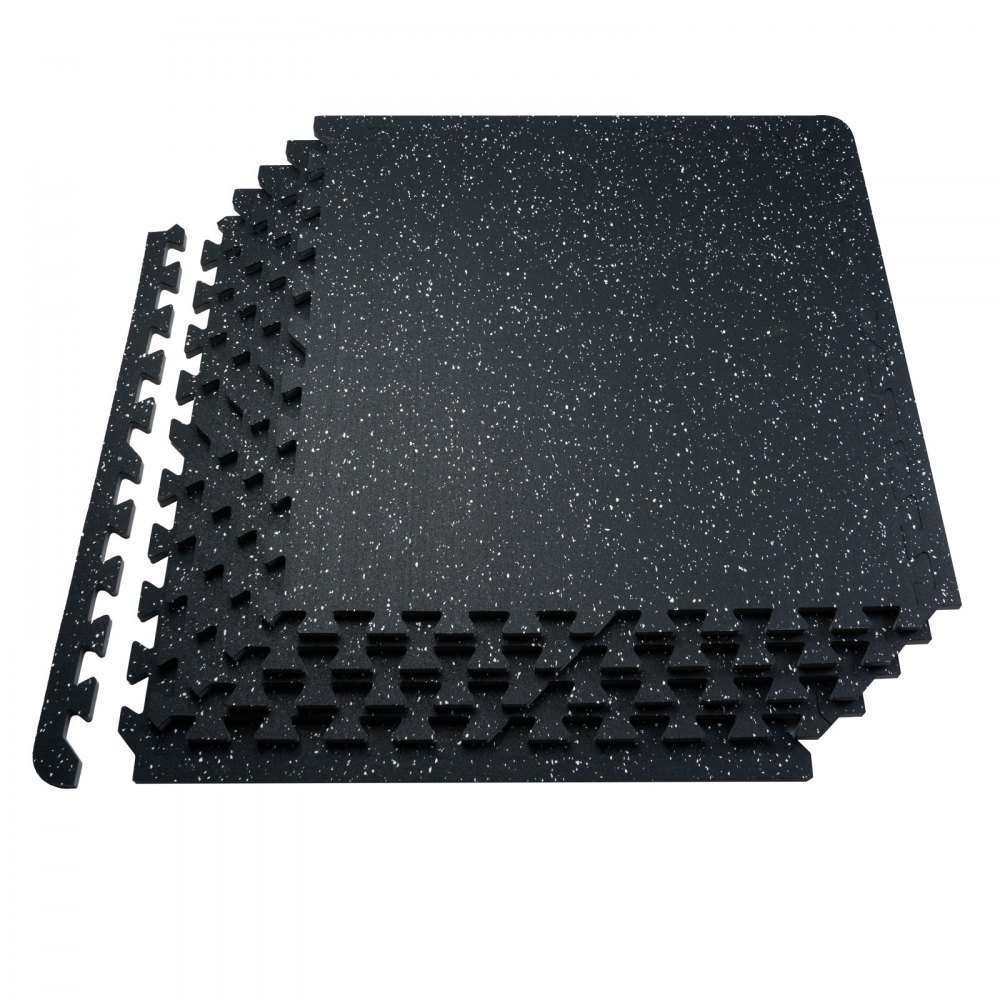 Best for covering a floor
12 interlocking 61 x 61 cm tiles, 14.2 mm thick, with a rubber top layer on EVA foam, covering 48 sq ft (4.5 m²) with border edges included.
 Best for lifting
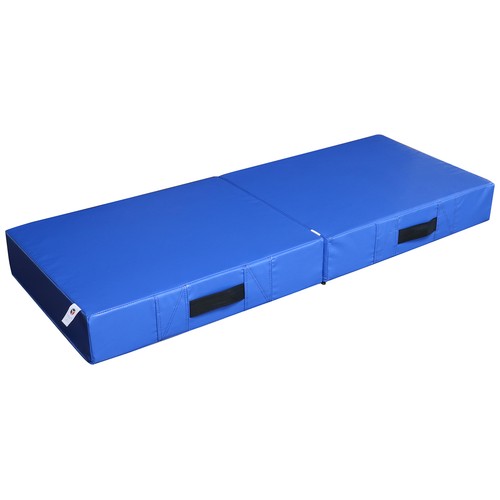
A pair of 76.2 x 61 x 15.2 cm (30 x 24 x 6 in) high-density foam pads in a stitched PVC shell, with a zip vent that lets air out on impact.
from$169.99
| Model | PRISPPRISP Tri Folding 180 cm Gymnastics Mat | PRISPPRISP Folding Gymnastics Mat 240 cm | VEVORVEVOR 0.56 in Interlocking Gym Floor Mats, 12 Tiles (HRD-XJD6614-12W) | PRISPPRISP Weightlifting Silencer Drop Pads, 6 in |
|---|---|---|---|---|
| Best price | $59.99 | $149.99 | — | $169.99 |
| Check price | No listed price | |||
| Type | Folding mat | Folding mat | Interlocking tiles | Not listed |
| Thickness | 50 mm | 50 mm | 14.2 mm | 152.4 mm |
| Footprint | 180 x 60 cm (70.9 x 23.6 in) | 240 x 120 cm (94.5 x 47.2 in) | Not listed | 76.2 x 61 cm (30 x 24 in), each pad |
| Material | PU leather cover, EPE foam | PU leather cover, EPE foam | Rubber top layer on EVA foam | High-density foam, PVC shell |
| Folds away | Yes | Yes | Not listed | Not listed |
| Weight | 2.5 kg (5.5 lb) | 6.48 kg (14.5 lb) | Not listed | Not listed |
How to choose a gym or exercise mat
"Gym mat" covers four different things. A folding mat is a thick foam pad in a cover, hinged into panels. A roll-up mat is a thinner single sheet for yoga, pilates and stretching. An equipment mat is a large thin sheet that goes under a machine. Interlocking tiles join up to cover a floor. Decide which job you need first, then compare these specs.
Thickness
A thin yoga mat of about 6 mm gives a firm, grippy surface for standing poses and rolls up small. Mats of 10 mm or more are softer to kneel and lie on. Folding mats are the thickest. Equipment mats only need to protect the floor and stop a machine sliding, so they are the thinnest.
Across our Canadian picks, the folding mats are 5 cm, the interlocking tiles 14.2 mm and the drop pads 15.2 cm.
Size
Most single mats are about 180 cm long and 60 cm wide (6 x 2 ft), enough to lie on. Wider mats give room to move side to side, and the largest folding mats can be joined with hook-and-loop edges for a longer run. For an equipment mat, check it is longer and wider than the machine's footprint as the maker lists it.
Material and cover
Roll-up mats are TPE, NBR foam, PVC or high-density foam. Folding mats are EPE or other high-density foam inside a PU leather, PVC or vinyl cover, which wipes clean. Equipment mats are rubber, closed-cell foam or TPE. Where a maker does not name the material, we say so.
Folding, rolling or tiles
A folding mat packs into a block, often about 60 cm square, and some have handles to carry it. A roll-up mat stores in a cupboard or bag. Tiles stay down once laid, and you can add more to cover a bigger floor.
Covering a whole floor with tiles? Our gym flooring calculator works out how many you need from your room size and a waste allowance you choose. For a treadmill, our treadmill space checker gives the floor area it needs, so you can check an equipment mat is large enough.
Rubber gym mats for lifting
If you want a gym mat to lift weights on, you need rubber flooring or drop pads rather than a foam exercise mat. Our best home gym flooring guide compares rubber tiles, drop pads and machine mats by thickness and coverage.
PRISP Tri Folding 180 cm Gymnastics Mat: best overall
A 180 x 60 cm mat with 5 cm of EPE foam in a PU leather cover that PRISP says resists tears, punctures and sweat and wipes clean with a damp cloth. Its three square panels fold up, it has sewn-in handles and it weighs 2.5 kg. Colours are black, blue, pink and purple.
Pros
- 5 cm of padding
- Three panels fold up
- Light at 2.5 kg
Cons
- 60 cm wide, a single-person width
- No hook-and-loop connectors listed, unlike the larger PRISP mats
PRISP Folding Gymnastics Mat 240 cm: best large folding mat
A 240 x 120 cm (8 x 4 ft) mat, 5 cm thick, in four panels that fold up. Each panel has a zip to reach the EPE foam inside the PU leather cover, and built-in hook-and-loop straps join it to other mats for a longer or wider surface. It weighs 6.48 kg.
Pros
- 8 x 4 ft surface
- Joins to other mats
- Zipped panels
Cons
- A large mat to store, even folded
- Heavier than the 180 cm PRISP at 6.48 kg
VEVOR 14.2 mm Interlocking Gym Floor Tiles, 12-pack: best for covering a floor
A pack of 12 interlocking 61 x 61 cm (24 x 24 in) tiles, 14.2 mm (0.56 in) thick, with a rubber top layer on high-density EVA foam. The pack covers 48 sq ft (4.5 m²), includes 24 border edges and weighs 13.2 kg.
Pros
- Rubber wear surface over foam
- Covers 48 sq ft (4.5 m²)
- Border edges included
Cons
- 14.2 mm, under the 15 mm this guide suggests for lifting floors
- Foam base, not solid rubber
PRISP Weightlifting Silencer Drop Pads, 6 in: best for lifting
A pair of high-density foam pads, each 76.2 x 61 x 15.2 cm (30 x 24 x 6 in), in a stitched PVC shell with a carry handle. A zip vent on each pad lets air out on impact. They go under a barbell for deadlifts and drops, which the folding mats are not made for. PRISP gives no load rating.
Pros
- Sold as a pair
- Zip vent lets the foam compress and recover
- Carry handle on each pad
Cons
- No load rating given by the maker
- Big to store at 76.2 x 61 cm a pad
Frequently asked questions
What thickness of exercise mat is best for a home gym?
It depends on the job. A yoga mat of about 6 mm gives a firm, grippy surface for standing poses. Mats of 10 to 25 mm are softer to kneel and lie on. Folding mats of 3 to 5 cm are the thickest we list and suit floor work, while an equipment mat under a machine only has to protect the floor (5 to 6.35 mm in our picks).
What is the difference between a gym mat and a yoga mat?
A yoga mat is a thin single sheet, usually TPE, NBR foam or PVC, made to grip and roll up. "Gym mat" is used for thicker folding exercise mats, for equipment mats that go under machines, and for interlocking floor tiles. Check which one a listing means before you buy.
Can I put an exercise mat under a treadmill or exercise bike?
Use an equipment mat made for it. These are a single large sheet of rubber, foam or TPE that makers size for treadmills, bikes, rowers and benches. The folding and yoga mats we list are described by their makers for floor exercise. Pick an equipment mat longer and wider than the machine's footprint.
Can I lift weights on an exercise mat?
Not heavy free weights. None of the makers behind the mats in this guide describes its foam, TPE or thin rubber mats for dropped barbells or heavy dumbbells. For that, use rubber gym flooring 15 mm or thicker, or drop pads: our best home gym flooring guide compares them.
Is a gym mat worth it?
It suits you if you work out on a hard floor and want something softer to kneel or lie on, or want to keep a machine from marking or sliding on the floor. A folding mat suits a room where kit has to be put away after each session. It adds little if you already train on a thick carpet with no machine on it, or if you mainly lift heavy weights, where rubber flooring is the right surface.
How do I clean an exercise mat?
Follow the maker's care note. Several folding mats we list have PU leather, PVC or vinyl covers their makers describe as wipe-clean, and some foam mats and tiles wash with soap and water.
How we chose
We have not tested anything in this guide. We compared the makers' own specifications: type, thickness, size, material, folding, weight, any weight rating and warranty. We kept only mats sold new from inside each market, and where a maker leaves a spec out, we say so rather than guess.
Related tools
Get price drops on this kit by email
Prices change. We'll email you when one we compare drops, only when it's worth sending.
Sources
- York Fitness: Ultimate Folding Exercise Mat (size, padding, uses)
- York Fitness: Large Equipment & Exercise Mat (size, rubber, machines it suits)
- BalanceFrom: 6x4 ft 4-panel folding gymnastics mat (size, cover, connectors)
- PRISP: Tri Folding 180 cm Gymnastics Mat (foam, cover, weights of the range)
- Gym Mart: METEOR Essential Tri-Fold Gymnastic Mat (size, folded size, cover)
- HOMCOM (Aosom UK): 6FT Tri-Fold Gymnastics Mat (size, folded size, foam, weight, rating)
- SPORTNOW (Aosom UK): 6FT Foldable Gymnastics Mat (size, cover, folded size, weight, rating)
- Exersci: Thick Cushioned Yoga Mat (size, NBR foam, strap holder)
- UK Sport Imports: BodyTrain Gym Mat 180 x 60 x 1.5 cm (size, thickness, uses)
- Strength Shop: Soft Drop Pads (size, cover, load rating)
- BalanceFrom: 6x2 ft 3-panel folding gymnastics mat (size, folded size, cover)
- BalanceFrom: All Purpose 1-Inch Extra Thick Mat (size, foam, weight, colours)
- BalanceFrom: Puzzle Exercise Mat (tile size, EVA foam, pack sizes)
- Stamina: Fold-To-Fit Equipment Mat (size, foam, weight, warranty)
- Titan Fitness: Rubber Lifting Tiles (size, thickness, weight, packs)
- PRISP: Folding Gymnastics Mat 240 cm (size, panels, connectors, weight)
- VEVOR Canada: 0.56 in gym floor tiles, 12 pack (size, layers, coverage, weight)
- PRISP: Weightlifting Silencer Drop Pads (size, foam, shell, vent)
- Everfit: Gymnastics Mat, 3 Fold (size, foam, handles, warranty)
- Gym Mart: METEOR Essential 6mm Yoga Mat (size, TPE, layers, strap)
- Everfit: Exercise Equipment Mat 2M (size, TPE, texture, warranty)